

The Hormone + Core & Cortisol Connection: Your Fabulous Fitness Solution especially for belly fat !
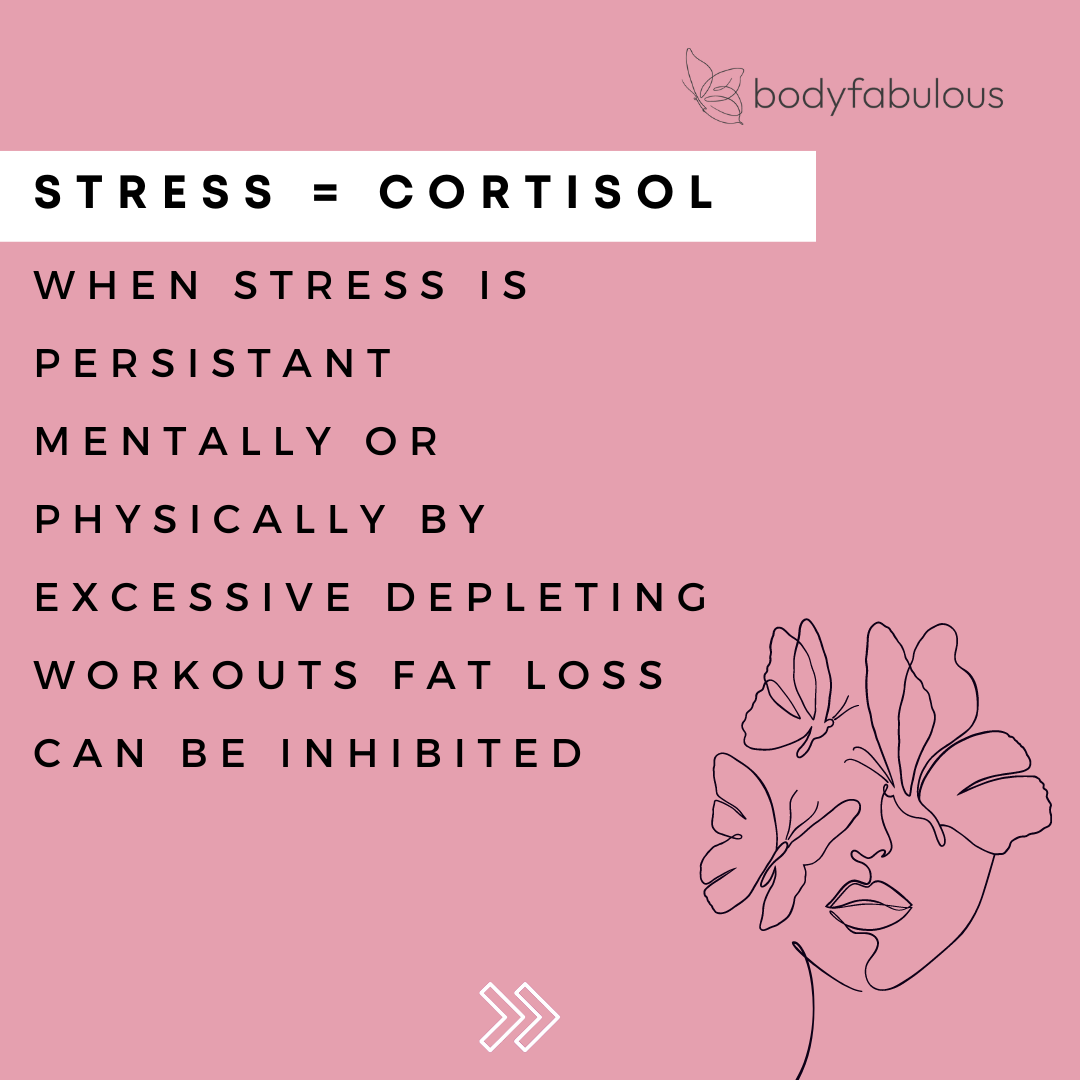
Are you over 30 and noticing a stubborn increase in belly fat, even if your diet and exercise habits haven’t drastically changed? You’re not alone, and understanding the hormonal landscape is key. For many women navigating postnatal, perimenopause and menopause, there can be a 2-3 times increase in visceral fat, and it’s unfortunately stored right around the belly.
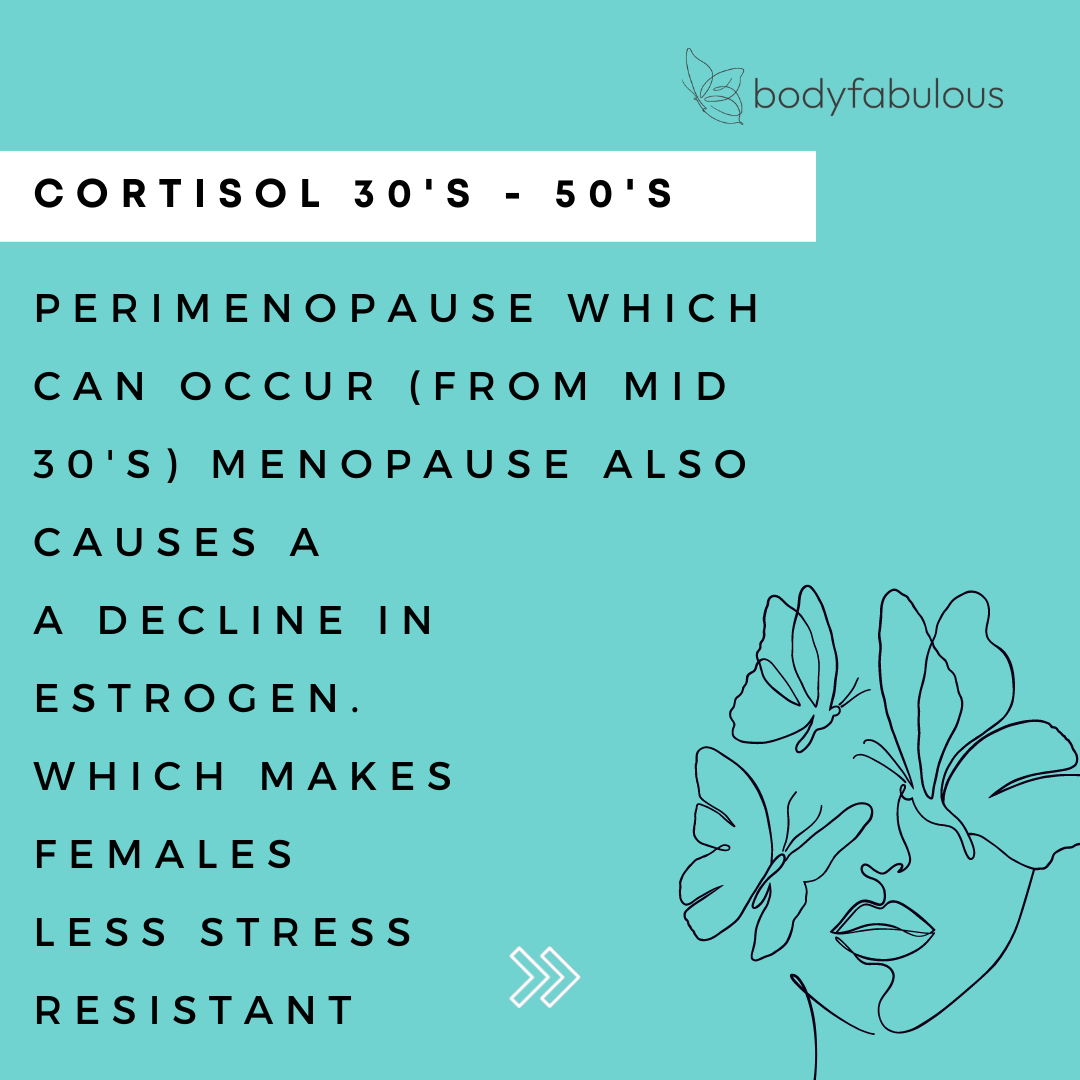
Not all body fat and belly fat is the same ….
Belly fat if you are over 35 isn’t your typical subcutaneous fat (the kind stored just under the skin). The drop in estrogen we experience during this time drives the accumulation of VISERCAL fat, which has unique metabolic properties and doesn’t respond to simple calorie restriction (the way subcutaneous fat does). It’s also stored deep within, surrounding your organs.
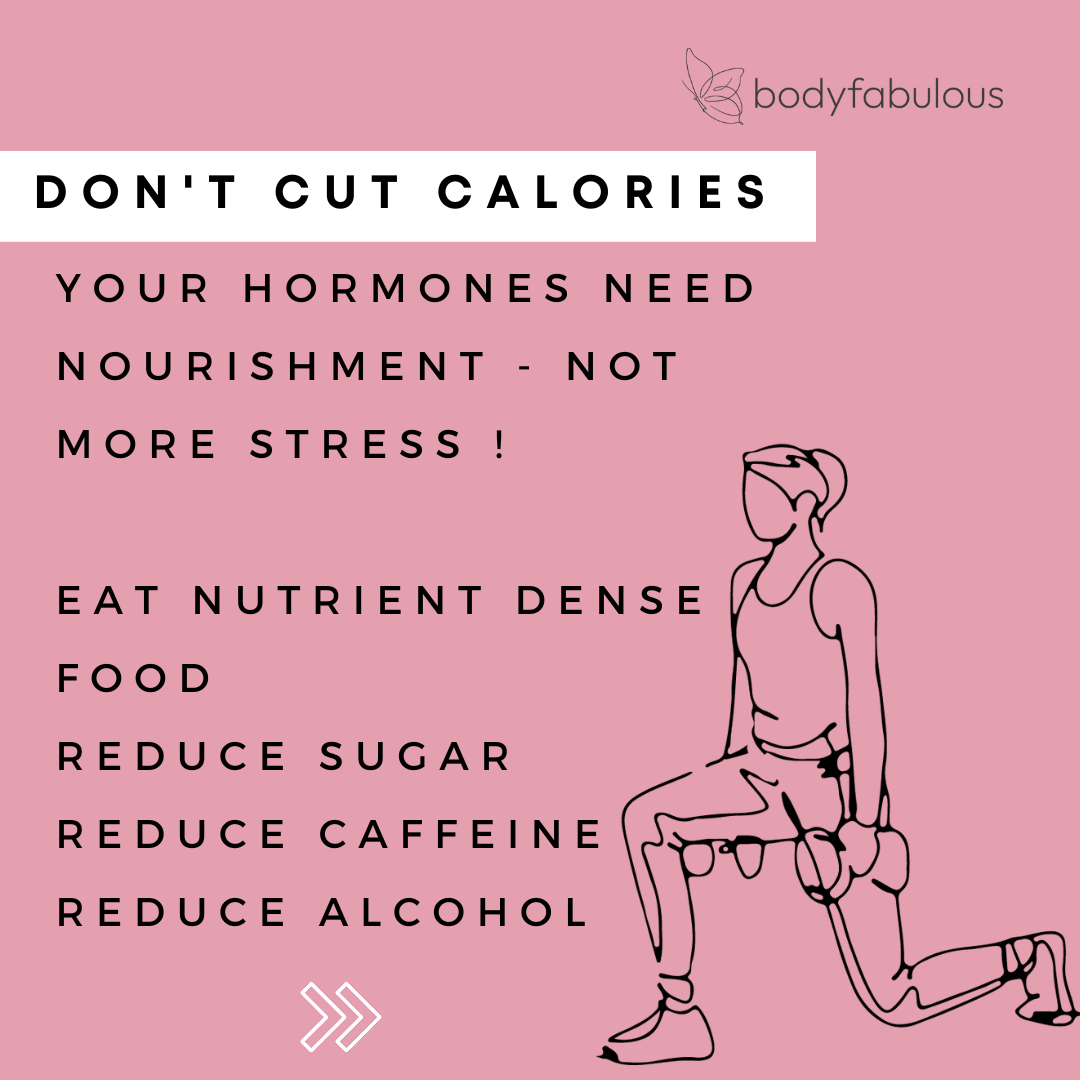
This is why simply defaulting to a calorie deficit no longer works
As visceral fat is complex interplay of:
- Nutritional Choices: The types of food we eat significantly impact inflammation and hormone balance.
- Inflammation: Chronic inflammation can contribute to visceral fat storage.
- Aging: Our natural aging process, drop in estrogen influences hormonal shifts.
- High Cortisol: Daily life stress and excessive exercise and too little calories can elevate cortisol + inflammation promoting visceral fat storage.
- Insulin Levels: Insulin resistance can also play a role, which can be contributed by a Diet High in Processed Foods, Sugar, and Unhealthy Fats: These types of foods can lead to rapid spikes in blood sugar, forcing the pancreas to pump out more insulin. Over time, this constant demand can lead to insulin resistance, contributing to inflammation, a key driver of visceral fat.
Outdated wellness metrics that do not consider female physiology
It’s crucial to understand that you can even have a “normal BMI” and still harbor high levels of visceral fat, highlighting that it’s not just about overall weight. Subcutaneous fat is primarily driven by caloric excess, while visceral fat is more influenced by inflammation and hormones.
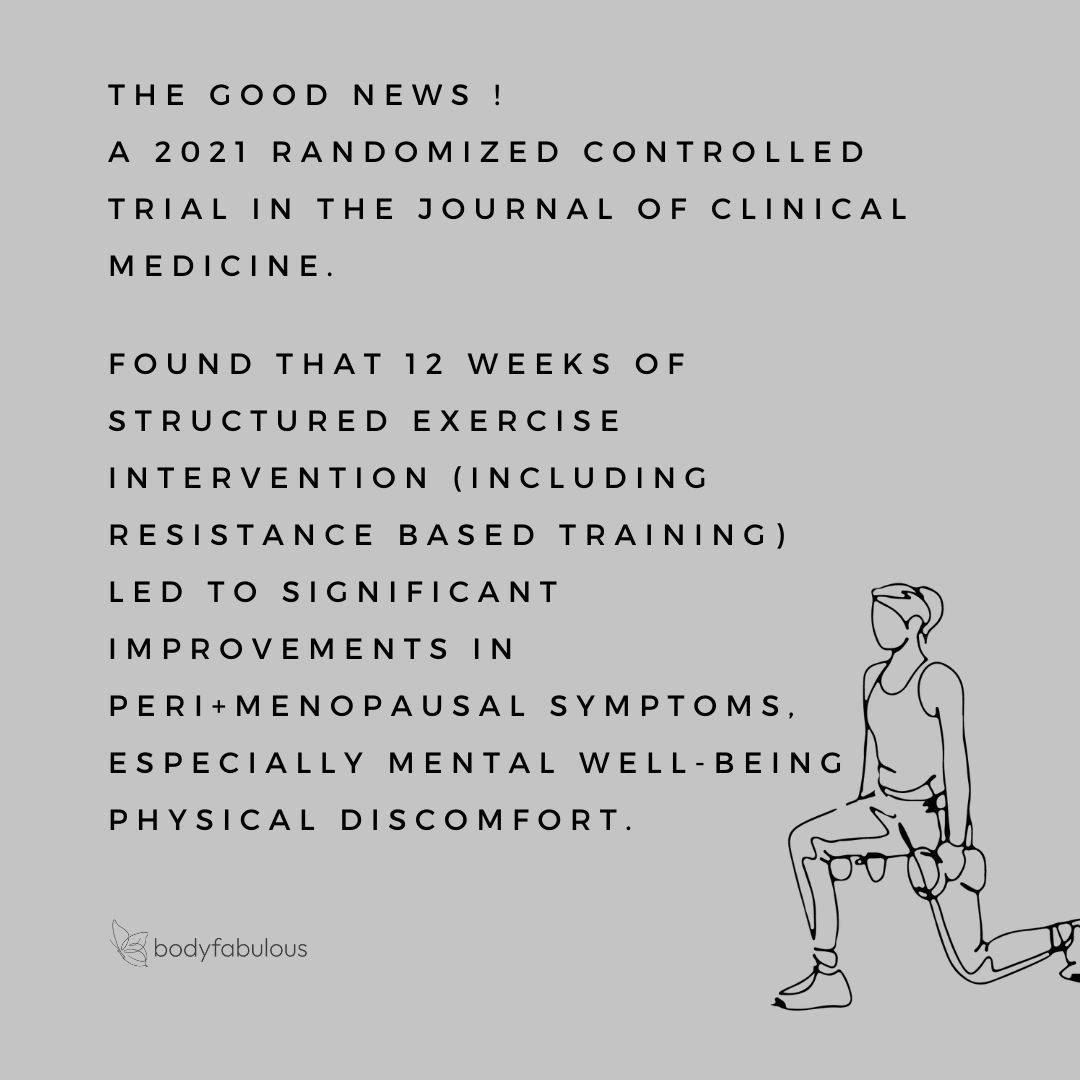
Unfortunately as many fitness and wellness programs (plus many health professionals advice) has been based on male biomechanics which gives very little consideration to these unique female physiology nuances. Dr Stacy Sims is a leading female health researcher and exercise physiologist who is pioneering why it is crucial that this changes, hence why she has coined the term #womenarenotsmallmen – because as females we need our own data and and training adaptations !
The Good News? You Can Reduce Visceral Fat!
While calorie restriction alone isn’t the answer, consistent and optimal nutritional changes, especially following the principles outlined in Dr. Mindy Pelz’s “Eat Like a Girl,” combined with strategic fasting (if not breastfeeding), can absolutely make a significant difference in reducing visceral fat. I coach many of my private perimenopause 1:1 clients in this method (and yes you can be peri and postnatal simultaneously)
However, it’s crucial for breastfeeding mothers to approach this with informed awareness. Breast milk is a vital source of nourishment for your baby, and its composition is significantly influenced by the mother’s diet and energy stores. Notably, breast milk is rich in approximately 40-60% fat, providing a crucial source of energy and essential fatty acids for the baby’s brain development and overall growth.
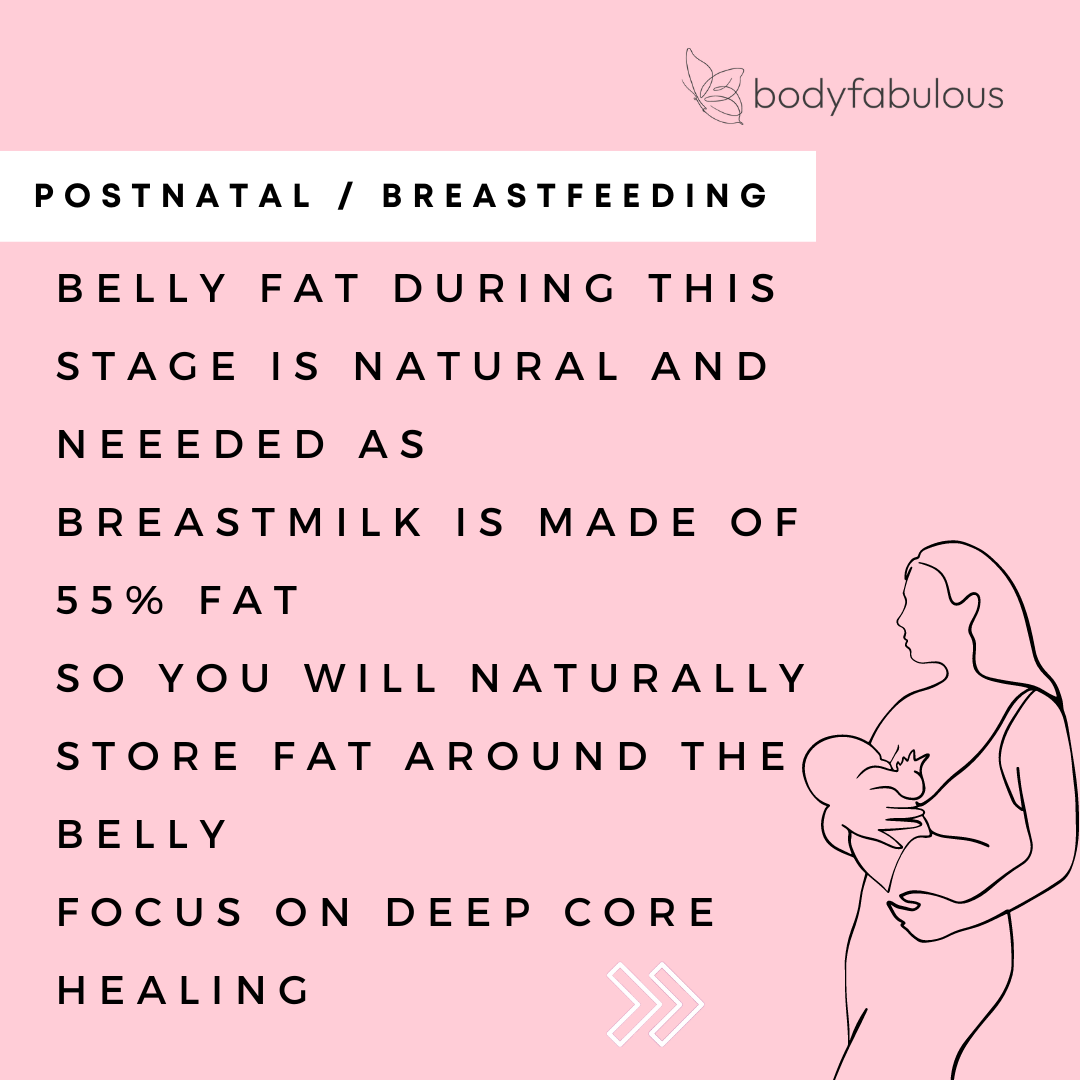
Studies show that fat is the most variable macronutrient in breast milk, and its concentration can even change during a single feeding but its important to note that your body will naturally store this fat (around your belly) as it’s essentially your baby’s lunch ! (so another myth busted – that breastfeeding makes you “lose weight”)
The Pitfalls of “Spot Reducing” Belly Fat: by defaulting to Kegels + Crunches
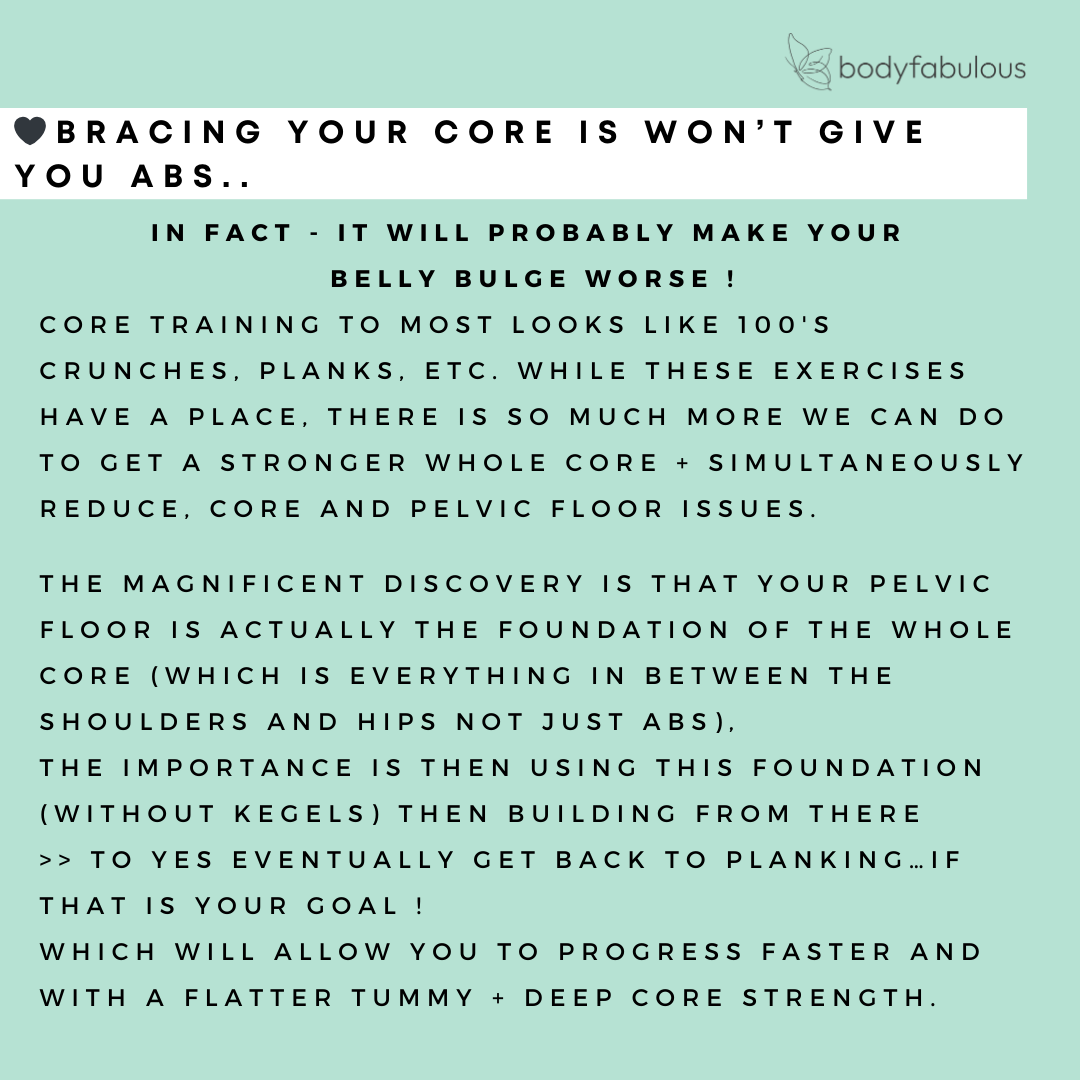
It’s also vital to ditch the instinct to default to excessive cardio, endless crunches, drawing “belly button to spine” and Kegels to try and “spot reduce” belly fat (plus avoid the dreaded “leaking”). This approach can often backfire by increasing cortisol and intra-abdominal pressure, potentially exacerbating that midline bulge. Plus, traditional core exercises primarily target the superficial “six-pack” muscles, neglecting the whole core – which is everything between your shoulders and hips, including that all-important pelvic floor.
The Male-Centric Fitness Myth:
Unfortunately, much of the traditional fitness advice out there was originally designed based on male biomechanics and doesn’t fully account for the ever-changing female hormones, physiology, and the unique challenges we face during pregnancy, postnatal recovery, perimenopause, and very often with pelvic floor concerns. And with the fitness industry being largely unregulated, many coaches simply are not certified in these crucial distinctions.
You’re in the Right Place for Real Solutions:
That’s where my BodyFabulous Fitness #bfabmethod comes in. I’m passionate about providing you with evidence-based strategies that do work for the female body. For all ages and stages of motherhood and life – with my modern core training combined with hormone-friendly, cortisol-conscious movement, you can finally achieve a stronger total core, reduce visceral fat, and feel truly fabulous in your own skin.
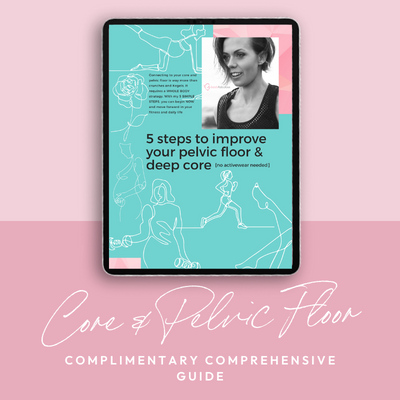
Ready to move beyond outdated advice and embrace a holistic approach that honors your hormones and your whole core? Here is exactly HOW 🤸🏻💕
- START HERE : Download my 20-page Complimentary Core Guide to discover my modern core training foundations.
- The 15-Minute Strategy NO OBLIGATION CHAT : Not sure if mobile or virtual coaching or one of my online programs is for you? Let’s have a 15 min chat to see what aligns
- Secure Your SPOT: I have strictly limited BESPOKE coaching intake to ensure my clients get the “Billionaire-level” attention they deserve.

About Dahlas
Dahlas Fletcher is one of Australia’s most respected and successful certified and experienced Pregnancy and Female Fitness Trainers. Her goal is to help you be the happiest, most fabulous version of yourself, inside and out.